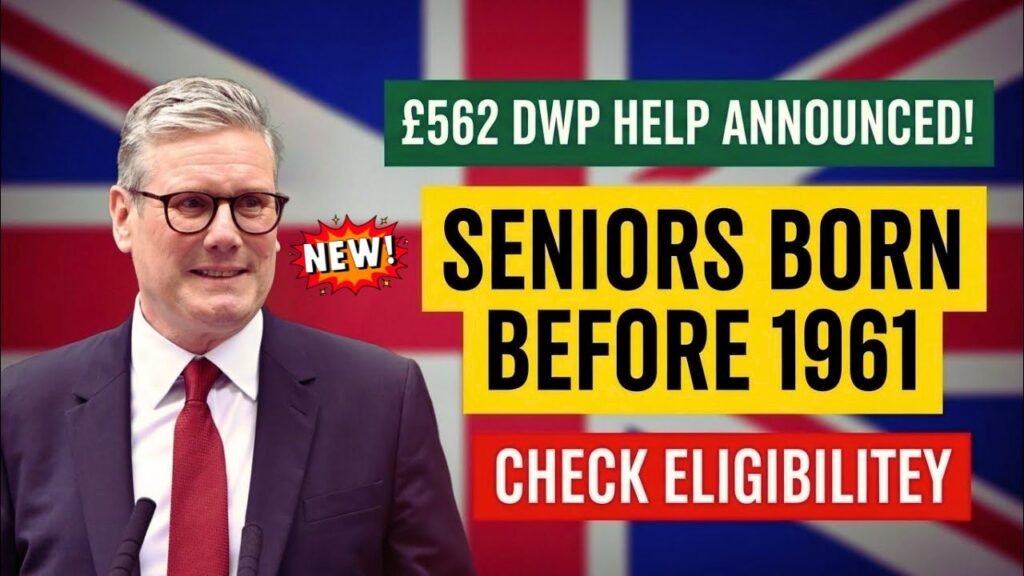
The Department for Work and Pensions has sparked a lot of conversation this March 2026 with new details about upcoming pension payments. For many older pensioners in the UK, the focus is on a specific figure of £562. This amount is not a new weekly rate, but rather the total monthly equivalent that many people on the basic State Pension will see in their bank accounts. As the cost of living continues to be a major worry for those on fixed incomes, understanding how this money is calculated and when it arrives is vital for every household budget.
The Impact of the 2026 Triple Lock Increase
Every year in April, the government adjusts pension rates using a rule called the triple lock. This system ensures that your pension goes up by whichever is highest out of three things: inflation, average wage growth, or a minimum of 2.5 percent. For the 2026 to 2027 tax year, a 4.8 percent increase has been confirmed. This boost is designed to help older people keep up with the rising price of food, energy, and transport. For those on the older “basic” State Pension, this means their weekly income is rising to £184.90.
Why the £562 Figure is Important
You might be wondering where the £562 comes from if the weekly rate is lower. In the UK, the DWP usually pays the State Pension every four weeks. When you multiply the new weekly basic rate of £184.90 by three weeks, it comes to roughly £554.70. However, many older pensioners also receive a small “age addition” if they are over 80, or they may have a small amount of “Additional State Pension” from the old SERPS scheme. When these small extras are added to a three week cycle of the basic pension, many retirees see a total payment of approximately £562 landing in their accounts.
Differences Between Old and New Pensions
It is important to remember that the UK has two different pension systems running at the same time. If you reached pension age before April 2016, you are on the “basic” system. If you retired after that date, you are on the “new” State Pension. The new State Pension is higher, reaching £241.30 per week this year, because it combined several old benefits into one flat rate. Older pensioners often feel they are getting a smaller deal, but the 4.8 percent increase applies to both groups equally to ensure fairness across the generations.
New Payment Rates for 2026
To help you plan your finances for the coming months, it is useful to see exactly how much the weekly rates have changed. These figures are the “full” amounts, meaning you must have enough years of National Insurance contributions to get the 100 percent rate. If you have gaps in your work history, your personal payment might be slightly lower than these official numbers.
| Pension Type | Old Weekly Rate (2025) | New Weekly Rate (2026) | Annual Increase |
| New State Pension | £230.25 | £241.30 | +£574.60 |
| Basic State Pension | £176.45 | £184.90 | +£439.40 |
| Over 80s Pension | £101.55 | £105.70 | +£215.80 |
| Married Woman’s Rate | £105.80 | £110.85 | +£262.60 |
How to Ensure You Get the Right Amount
Most pensioners do not need to do anything to receive this increase. The DWP systems update automatically, and your first payment after April 6 will reflect the new higher rate. However, there are a few things you should double check to make sure you are not missing out on extra cash:
- Check for Pension Credit: If your total income is less than £220 a week, you might be able to get a top up.
- Look for the “Age Addition”: If you have recently turned 80, make sure your weekly payment has increased by the extra 25p allowed.
- Verify your bank details: If you have moved or changed banks, tell the Pension Service immediately to avoid missing a payment.
- Watch for the DWP letter: You should receive a letter in the post explaining your exact new rate before the changes start.
Looking Ahead to the Winter Months
While the April increase is welcome, many older people are already worried about next winter. The government has confirmed that the 4.8 percent rise is the main way they intend to support retirees this year. With energy prices remaining unpredictable, it is more important than ever to claim every penny you are owed. Whether it is through the State Pension increase or extra support like the Winter Fuel Payment, staying informed is the best way to keep your head above water in 2026.
Frequently Asked Questions
When does the new £184.90 rate start?
The new rates take effect on April 6, 2026. However, because pensions are paid in arrears, you might not see the full increase in your bank account until your first full four week cycle after that date.
Why is my payment different from the £562 mentioned?
The £562 is a common total for a three week period including small extras. Your actual payment depends on your National Insurance record, whether you have a workplace pension, and if you claim any other benefits like Attendance Allowance.
Do I need to apply for the 4.8 percent increase?
No, you do not need to apply. The DWP will apply the triple lock boost to your pension automatically. You will receive a letter telling you exactly how much your new weekly amount will be.
Can I still get the Winter Fuel Payment?
Eligibility rules for the Winter Fuel Payment have changed recently. Usually, you now need to be receiving a means tested benefit like Pension Credit to qualify for this extra help during the cold months.