
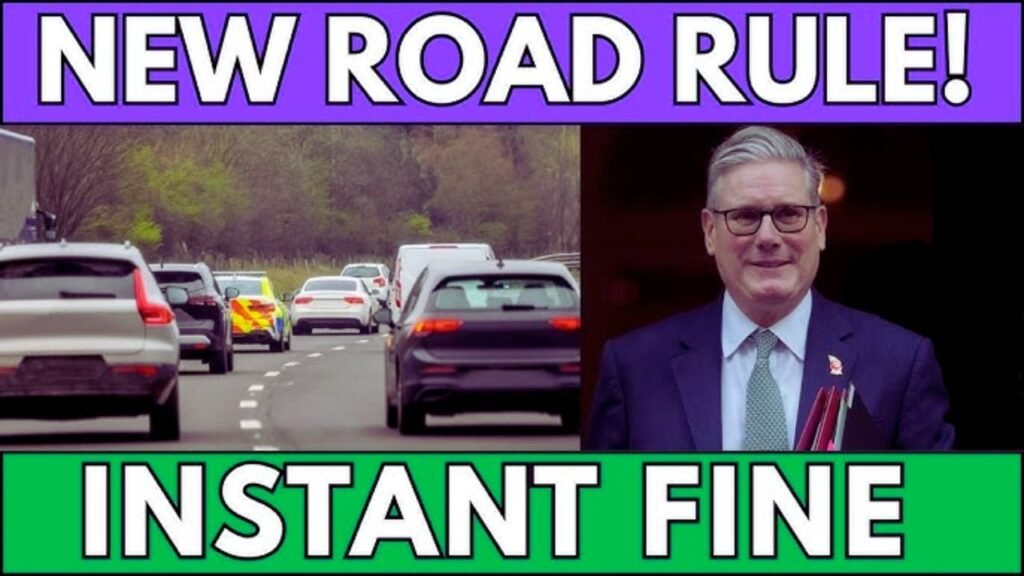
UK drivers are being reminded of stricter enforcement practices rolling out in March 2026, where certain minor infractions that once might have earned a verbal warning or educational notice now trigger immediate fines or penalty points. This shift aligns with the government’s broader road safety strategy launched earlier in the year, aiming to reduce accidents through consistent policing rather than leniency for first-time errors. While no single sweeping “new rule” activates tonight, recent changes to number plates, licence details, and enforcement attitudes mean one overlooked detail can lead to on-the-spot penalties.
Stricter Enforcement on Common Oversights
Police and authorities have adopted a “no warning policy” in many areas for traffic stops, particularly around visible vehicle compliance issues. This means drivers caught with a minor but illegal fault face instant action instead of advice to fix it later. The approach supports the goal of cutting road deaths and serious injuries, with emphasis on proactive checks during routine patrols or automated systems.
Key areas seeing tighter application include vehicle condition, documentation, and basic Highway Code compliance. A small lapse—like failing to update personal details or having an obscured plate—can now result in fines without prior leniency.
Number Plate Compliance After the March Change
The introduction of the new ’26’ registration plates at the start of March has spotlighted DVLA rules on number plate standards. Plates must meet strict reflective, font, spacing, and color requirements (white front, yellow rear with black characters). Tinted, dirty, damaged, or incorrectly formatted plates are illegal, and enforcement has ramped up.
Drivers risk immediate fines if stopped with non-compliant plates, as automated cameras and officers can identify issues quickly. The change encourages owners to inspect their plates regularly, especially after the new series rollout.
Key number plate rules to avoid instant penalties include:
- Keep plates clean and clearly visible at all times
- Use only approved reflective materials—no tints or covers
- Ensure correct font, spacing, and character size
- Fix any damage or fading immediately
Failure in these areas can lead to on-the-spot fines, penalty points, or even vehicle seizure in severe cases.
Driving Licence Details Must Stay Current
Another frequent trigger for instant action involves outdated or incorrect information on your driving licence. The DVLA requires prompt updates for changes in name, address, or medical conditions, with a reduced grace period now in place for some updates.
Younger drivers, in particular, face higher risk of £1,000 fines plus up to six penalty points if details don’t match records during a stop or insurance check. Police can issue penalties immediately if discrepancies appear, emphasizing the need to notify the DVLA quickly after life changes.
Other Enforcement Hotspots
Beyond plates and licences, everyday mistakes like ignoring clearway signs (red-and-blue cross), dashboard warning lights, or minor speeding can now attract fixed penalties without discretion. The government’s consultation on harsher motoring penalties continues, but current practices already lean toward stricter application for safety reasons.
What Drivers Should Do Tonight
Before heading out, perform a quick vehicle check: clean your plates, ensure lights work, verify your licence details are accurate via the DVLA online service, and confirm insurance and MOT status. These simple steps can prevent an unexpected fine from a routine stop.
Staying compliant with these longstanding but more rigorously enforced rules helps keep roads safer and avoids unnecessary costs.