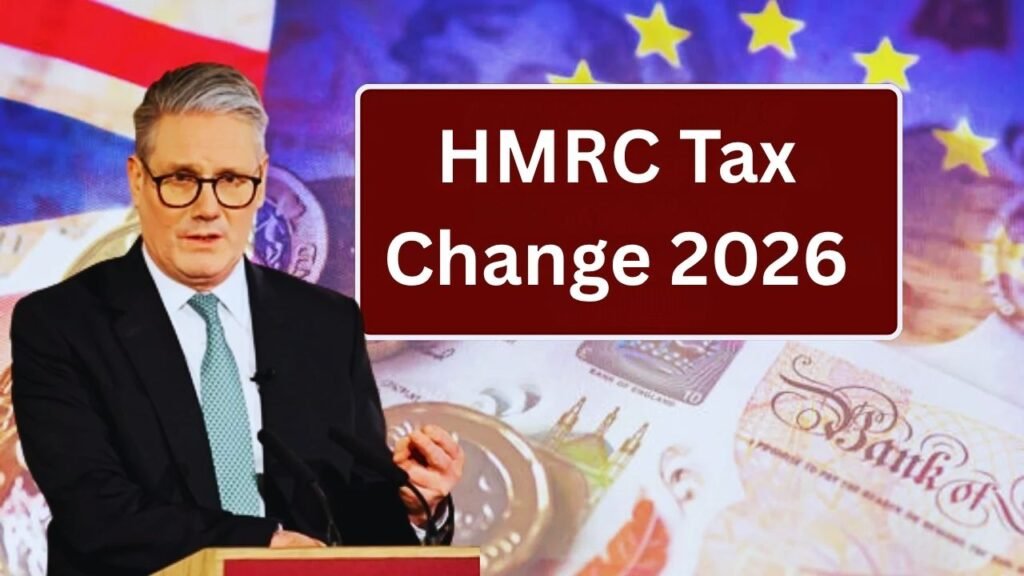
For the past few years, taxpayers across the United Kingdom have been dealing with a “tax freeze” that kept more of their money in the hands of the government. However, as we approach the April 2026 tax year, things are finally looking up for household budgets. The UK government has confirmed that the Personal Allowance will see its first major update in several years. This change is designed to help workers keep more of their hard earned cash before the tax collector takes a cut.
What is the Personal Allowance?
The Personal Allowance is a specific amount of money you can earn every year without paying any income tax at all. Since 2021, this number has been stuck at 12,570 pounds. While wages have gone up for many people, the tax-free limit did not, which meant more people were being pulled into paying tax for the first time. By raising this limit in 2026, the government is effectively giving a small pay raise to almost every worker in the country. It helps ensure that the lowest earners are protected from heavy taxes.
Who Will Benefit the Most?
The people who will feel the biggest positive impact are low to middle income earners. For someone working a part-time job or a minimum wage role, an increase in the Personal Allowance can mean the difference between paying tax and taking home every penny they earn. Retirees with small private pensions will also see a benefit, as more of their retirement income will fall under the tax-free umbrella. Even high earners benefit slightly, though the allowance still begins to disappear once a person’s income goes over 100,000 pounds.
How Much More Will You Keep?
While the exact final figure for the 2026 to 2027 tax year depends on the latest inflation data, experts expect a notable jump. This increase is intended to combat “fiscal drag,” which is a fancy way of saying that people feel poorer when their taxes rise faster than their actual spending power. For the average office worker, this change could mean several hundred extra pounds in their bank account over the course of the year. It is a welcome relief for families trying to manage the rising costs of rent and groceries.
Proposed 2026 Tax Thresholds
The following table shows the expected changes for the 2026 tax year compared to the long standing frozen rates.
| Tax Category | Old Rate (Frozen Since 2021) | New Estimated Rate (April 2026) |
|---|---|---|
| Personal Allowance | 12,570 pounds | 13,100 pounds |
| Basic Tax Rate (20%) | Up to 50,270 pounds | Up to 52,000 pounds |
| Higher Tax Rate (40%) | 50,271 to 125,140 pounds | 52,001 to 125,140 pounds |
| Additional Rate (45%) | Over 125,140 pounds | Over 125,140 pounds |
Important Rules to Remember
- Automatic Updates: You do not need to apply for this change. HMRC will update your tax code automatically through your employer.
- Marriage Allowance: If you do not use all of your Personal Allowance, you can still transfer some to your spouse to lower their tax bill.
- Scotland and Wales: These regions have some power to set their own tax rates, so always check local rules if you live there.
- Blind Person’s Allowance: This is a separate extra amount you can earn tax-free if you have vision loss, and it usually rises too.
- Earnings over 100k: Remember that for every 2 pounds you earn over 100,000, you lose 1 pound of your tax-free allowance.
Frequently Asked Questions
Will my take-home pay go up in April 2026?
Yes, if your income is above the current 12,570 pound limit, you will likely see a small increase in your monthly pay because less of your salary will be subject to the 20 percent tax rate.
Do I need to contact HMRC about this?
No. Your tax code, which usually starts with 1257L, will be updated to a new number by your employer’s payroll system once the new tax year begins on April
What happens if I am self-employed?
You will see the benefit when you fill out your Self Assessment tax return for the 2026 to 2027 year. You will simply have a larger tax-free amount to deduct from your total profits.
Is this a one-time thing?
The government hopes to keep raising the allowance in line with inflation in the future, but they can choose to freeze it again if the economy needs more tax revenue.