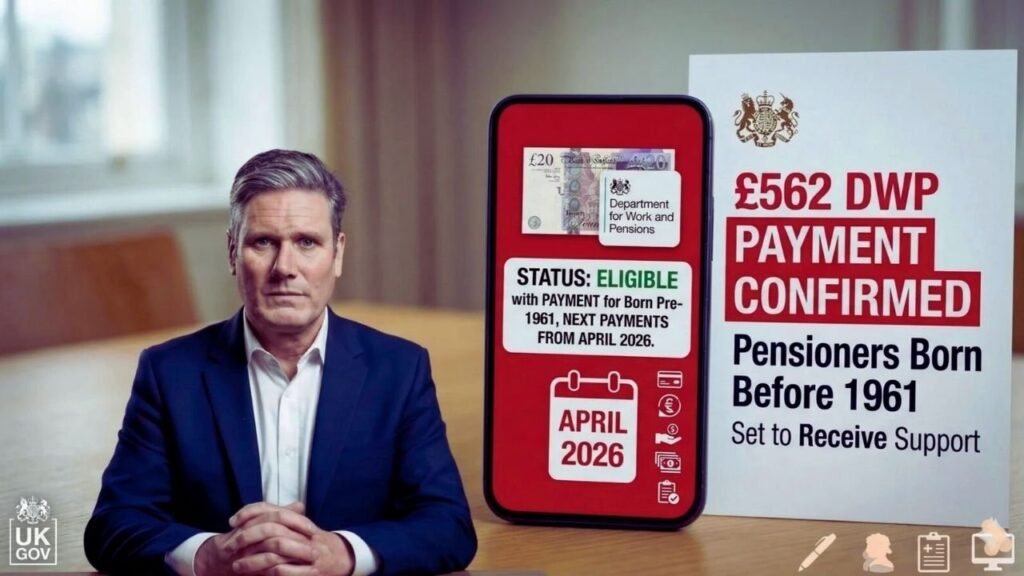
The Department for Work and Pensions (DWP) has sent out a major alert for everyone claiming a State Pension or benefits in the UK. Starting in April 2026, new banking rules are coming into force that give the government more power to look at bank accounts. While the DWP says these changes are meant to stop fraud and mistakes, many retirees are worried about what this means for their privacy and their monthly payments.
These new rules are part of a plan to modernize how the government checks that people are getting the right amount of money. Under the new Public Authorities Fraud Error and Recovery Act, banks will be required to share certain data with the DWP automatically. This is a big shift from the old way of doing things, where the DWP usually only checked an account if they already suspected something was wrong.
Why Your Bank Details Are Being Checked
The main reason for this change is to find people who have more savings than they are allowed to have while claiming certain help. For example, if you get Pension Credit, there are strict limits on how much cash you can have in the bank. The new system will allow the DWP to see if your balance goes over these limits without them having to ask you for a paper statement every time.
It is not just about savings, though. The government is also looking for “abroad fraud,” which is when someone claims UK benefits while living in another country for too long. By checking bank data, the DWP can see if a person’s money is being spent mostly overseas. They say this will save the taxpayer billions of pounds over the next few years.
Who Will Be Affected by the Changes?
While the news sounds scary, it is important to know that the State Pension itself is not “means tested.” This means that having a lot of savings won’t stop you from getting your basic State Pension. However, if you receive any extra top up payments, you are in the group that will be watched more closely. The government has promised that they will not be looking at every single thing you buy at the supermarket.
The checks are mostly looking for “flags” like high balances or regular transfers from abroad. If a flag is raised, a human worker at the DWP will look at the case before any money is stopped. They have also stated that they can now take money back from bank accounts directly if they prove that someone was overpaid and refuses to pay it back.
Key Changes to DWP Banking Powers
| Feature | Old Rule (Before 2026) | New Rule (From April 2026) |
| Bank Account Access | Only with specific suspicion | Automatic alerts from banks |
| Overpayment Recovery | Letters and court orders | Direct deduction from bank accounts |
| Main Target | Universal Credit & Jobseekers | Pension Credit & Means Tested Help |
| Foreign Spending | Hard to track manually | Automated flags for overseas activity |
What Pensioners Need to Do Now
- Keep Records: Make sure you have your bank statements handy in case the DWP asks for more details after an automatic check.
- Report Changes: If you inherit money or your savings go up, tell the DWP right away rather than waiting for them to find it.
- Check Eligibility: If you are worried about the savings limit, use a free online calculator to see if you still qualify for Pension Credit.
- Watch for Letters: The DWP will still send official letters if they find a problem, so do not ignore any mail from them this April.
Frequently Asked Questions
Can the DWP see what I spend my money on?
No. The government says they will only see the total balance and basic details to verify who owns the account. They are not allowed to see your shopping habits or specific transactions.
Will my State Pension be stopped?
The standard State Pension is not affected by how much money you have in the bank. Only “means tested” benefits like Pension Credit or Housing Benefit are at risk if your savings are too high.
What is the savings limit for Pension Credit?
For most people, having more than £10,000 in savings can affect how much Pension Credit you get. If you have over £16,000, you might not be able to get certain other benefits at all.