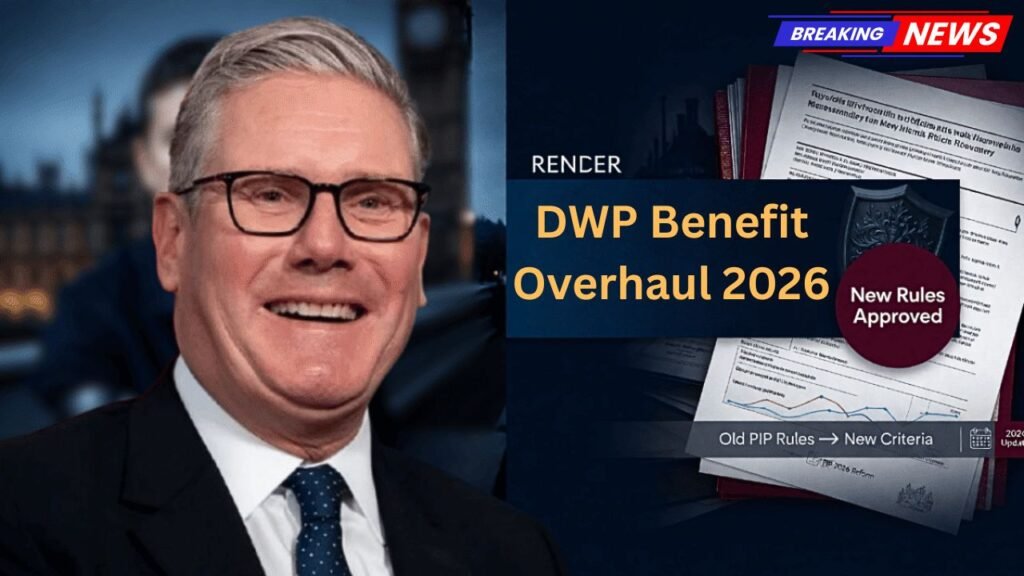
A major change in the UK welfare system is set to take place in 2026 as the Department for Work and Pensions prepares to update the Personal Independence Payment system. The new plan has gained attention because around 700,000 people are expected to be exempt from the updated rules. This move is being seen as an effort to protect vulnerable people while also making the system more focused and fair.
What Is Changing in PIP Rules
Personal Independence Payment, also known as PIP, is a benefit given to people who have long term health conditions or disabilities. The government has been reviewing the system for some time. The new changes aim to adjust how people are assessed and who qualifies for support. However, not everyone will be affected in the same way.
Under the new plan, people with the most serious and lifelong conditions may not need to go through regular reassessments. This is where the exemption for 700,000 people comes into play. It is meant to reduce stress for those who already face daily challenges.
Who Will Be Exempt from the New Rules
The DWP has indicated that the exemptions will mostly apply to people with severe conditions that are unlikely to improve. This includes both physical and mental health conditions. The goal is to make sure these individuals continue receiving support without unnecessary checks.
Expected Exemption Groups
| Category | Details |
|---|---|
| Severe physical disabilities | Conditions that limit daily movement permanently |
| Long term mental health issues | Conditions with no expected recovery |
| Lifelong illnesses | Diseases that require ongoing care |
| High support needs cases | People needing constant assistance |
Why the Government Is Making These Changes
The government says the main aim is to make the system more efficient and less stressful. Many people have complained about repeated assessments that do not change outcomes. By removing these for certain groups, the DWP hopes to save time and focus resources on new applicants.
At the same time, the reform is also part of a wider plan to control spending and ensure benefits go to those who need them the most. This balance between support and cost control has been widely debated.
Key Points You Should Know
• Around 700,000 people may not face reassessment under new rules
• Changes are expected to begin in 2026
• Focus is on people with severe and lifelong conditions
• The aim is to reduce stress and simplify the process
• Some claimants may still face updated eligibility checks
Concerns and Public Reaction
While many people have welcomed the exemption, there are still concerns about the wider impact of the reforms. Some experts worry that stricter rules for others could make it harder to qualify for PIP. Disability groups have asked the government to ensure fairness for all claimants.
Others believe the changes are a positive step, especially for those who have struggled with frequent reassessments. The final outcome will depend on how the policy is applied in real life.
What Happens Next
The DWP is expected to share more detailed guidance before the rollout in 2026. People who currently receive PIP should keep an eye on official updates and letters. It is important to understand how the new system may affect individual cases.
Experts also suggest seeking advice from support organizations if there is any confusion. Being informed will help claimants prepare for any changes ahead.
FAQs
Who will be exempt from the new PIP rules
People with severe, lifelong conditions and high support needs are likely to be exempt from reassessments.
When will the changes start
The new system is expected to begin in 2026.
Will all PIP claimants be affected
No, around 700,000 people are expected to be protected from the new rules.
Do I need to reapply for PIP
Most current claimants will not need to reapply, but some may face updated checks depending on their condition.
Where can I get official updates
You can check the official DWP website or contact support services for the latest information.