Lower Speeds Roll Out in Busy Areas
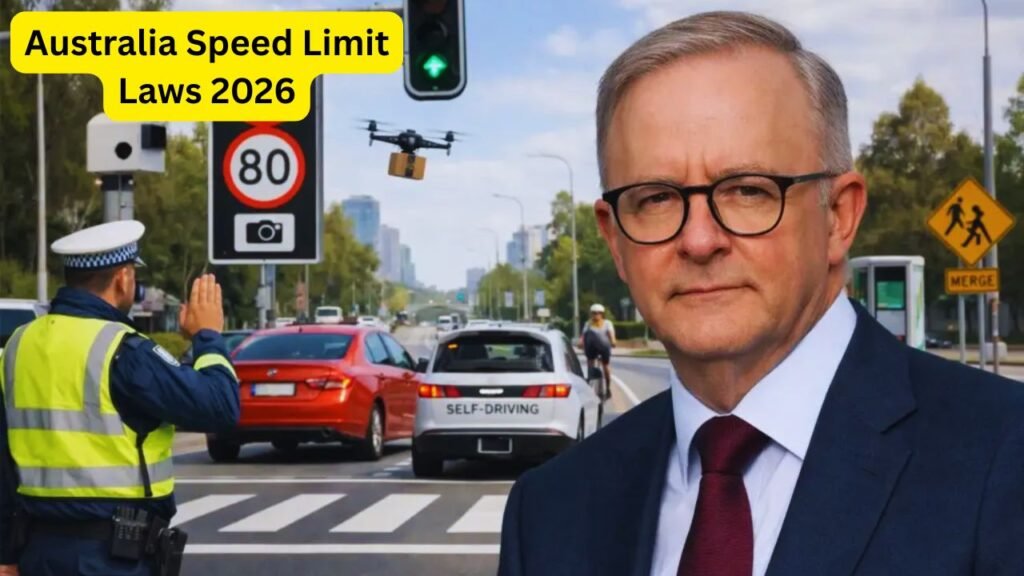
Australia keeps pushing for safer roads in 2026 with more lower speed limits in key spots. Many states add extra 40 km/h zones in high traffic places like busy streets and near schools. Queensland rolls out more of these in urban areas where crashes used to happen a lot. South Australia puts 40 km/h limits on busy roads around over 150 schools during school hours like 8 to 9.30 in the morning and 2 to 4 in the afternoon. These changes build on what started last year but hit harder this year with new signs and checks to make sure drivers slow down.
School Zones Get Extra Attention
School zones stay a big focus with calls to drop limits even more in some places. New South Wales looks at cutting from 40 km/h to 30 km/h in school and high pedestrian spots with a bill in parliament that could pass soon. Tasmania talks about the same drop for its school zones as part of its Towards Zero safety plan. Even where limits stay at 40 km/h like in most NSW and ACT areas drivers must watch for flashing signs when kids go back to class. A tiny bit over the limit now triggers heavy fines because monitoring ramps up big time.
Tougher Enforcement with New Tech
Strict monitoring starts soon thanks to more AI cameras and average speed checks. These smart systems catch speeding phone use and no seatbelts from far away. Eastern states lead but Western Australia and Northern Territory finish rollout early 2026. Tolerance for going a little over drops in many spots so even small mistakes get you fined. Road safety groups say this tech saves lives but drivers feel the pressure with instant penalties and points adding up fast.
Rural and Highway Limits Stay in Spotlight
Talk about cutting default rural speeds from 100 km/h to lower like 80 or 70 km/h got dropped late last year after pushback. States keep control but some look at blackspot fixes with slower limits. No big nationwide drop happens but local changes in risky country roads continue to protect drivers and workers.
Why These Rules Matter Now
Road deaths stay too high so governments tighten up to reach zero fatalities. Lower limits cut crash risks especially where kids pedestrians or workers are around. But drivers face bigger fines quicker suspensions and lost points for small slips. Stay under the limit watch signs and slow down extra in zones to avoid big costs.
Key Speed Limit Updates in 2026
| Change Type | Details | Main States Involved |
|---|---|---|
| School zone expansions | More 40 km/h on arterial roads | South Australia Queensland |
| Potential 30 km/h zones | Reviews for schools pedestrians | NSW Tasmania |
| Urban high risk reductions | From 50 km/h to 40 km/h in spots | Queensland Victoria others |
| Enforcement tech rollout | AI cameras average speed checks | Most states by mid 2026 |
Who Needs to Watch Out
Here are the main groups feeling these changes:
- Parents driving kids to school
- Commuters in busy city streets
- Drivers in regional areas with new signs
- Young or new licence holders with low points tolerance
- Anyone who used to edge over limits a bit
FAQs
Do I have to slow down if school signs flash?
Yes always obey the lower limit when signs activate even if no kids visible right then. Fines hit hard in these zones.
Are rural speed limits dropping a lot this year?
No big federal cut happened but check local roads for blackspot changes or new lower signs in risky areas.
How do I avoid fines from new cameras?
Stick exactly to posted limits use hands free only for calls and keep eyes on the road not your phone.
Where can I check my state rules?
Head to your state transport website like Transport for NSW or Queensland Transport for maps signs and fine details. They update often.