The New Income Limit Explained
The biggest change for 2026 is that the payment is no longer truly universal for everyone. While most pensioners will still see the money land in their bank accounts automatically, there is now a strict income cap of £35,000. If your total yearly income is higher than this amount, the government will ask for the money back through the tax system. This includes money from your State Pension, private pensions, and even interest from your savings. It is a way for the state to focus its budget on people with lower incomes who might struggle more with heating costs.
Age and Living Situations Matter
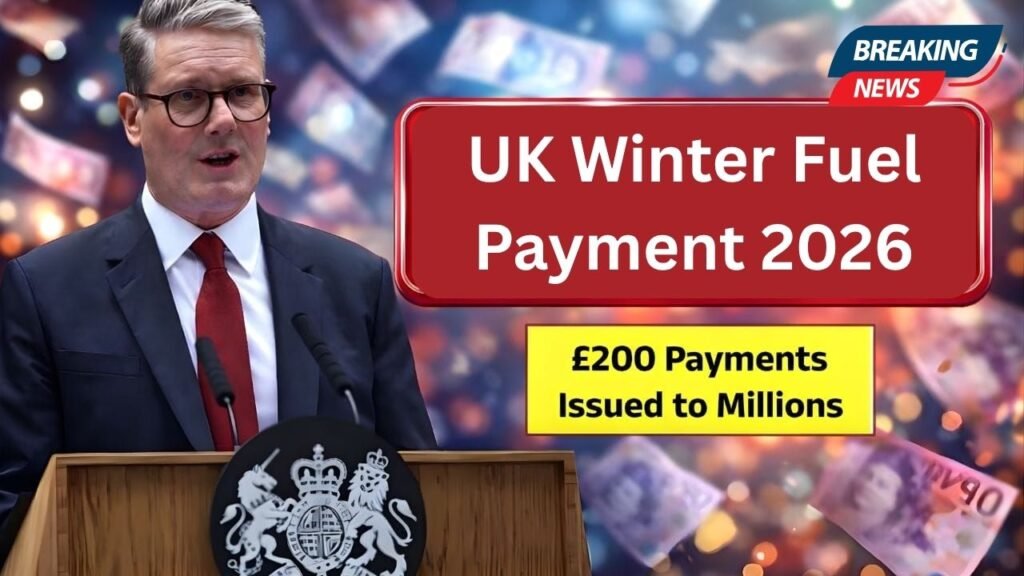
How much money you get still depends mostly on your age and who you live with. If you were born before 22 September 1959, you are likely eligible. For those aged between 67 and 79, the standard payment is usually £200. If you are 80 or older, that amount bumps up to £300 because older residents often need more heat to stay healthy. However, if you live with another person who also qualifies, you might each get a smaller share, such as £100 each, to cover the same household bill.
What Happens if You Earn Too Much
If you know your income will be over the £35,000 limit, you have a choice to make. You can let the payment arrive and then pay it back when HMRC adjusts your tax code next year. Or, you can choose to opt out before the winter starts. Many people prefer to opt out early so they do not have to worry about owing the government money later. You usually have until the middle of September each year to tell the Winter Fuel Payment Centre that you do not want to receive the cash this time around.
Special Rules for Scotland and Care Homes
It is important to remember that Scotland now does things a little differently. They have their own system called the Pension Age Winter Heating Payment. While it works similarly to the rest of the UK, the exact dates and amounts can vary slightly. Also, if you live in a care home, the rules are different. If you get certain benefits like Pension Credit while in a care home, you might not get the payment at all because your heating is already covered by the facility. If you pay for your own care, you might still get a smaller amount like £100.
Winter Fuel Payment Quick Guide
| Your Situation | Born Between 1946 and 1959 | Born Before Sept 1946 (Aged 80+) |
| Living Alone | You get £200 | You get £300 |
| Living with a Partner (Both Qualify) | You get £100 each | You get £150 each |
| Income Over £35,000 | Must pay it back | Must pay it back |
| On Pension Credit | Keep full payment | Keep full payment |
How to Stay Prepared
- Check your latest tax return to see if your income is near the £35,000 limit.
- Make sure the DWP has your correct bank details and current address.
- Look out for a letter in October or November that tells you how much you will get.
- If you have not received your money by January 2027, call the helpline.
- Consider applying for Pension Credit if your weekly income is low, as this guarantees you keep the fuel payment.
Frequently Asked Questions
Do I need to apply for the payment?
Most people do not need to do anything. If you get the State Pension, the money is usually paid into your bank account automatically. You will only need to claim if you have never had the payment before or if you do not get a pension.
Is the money taxed?
No, the Winter Fuel Payment is tax free. It does not count as income when you are working out your other benefits. However, as mentioned before, if you are a high earner, the value of the payment is “clawed back” by the tax office.
What is the qualifying week?
The government looks at your life during the third week of September. This is called the qualifying week. Where you live and who you live with during these seven days decides how much money you will get for the coming winter.